
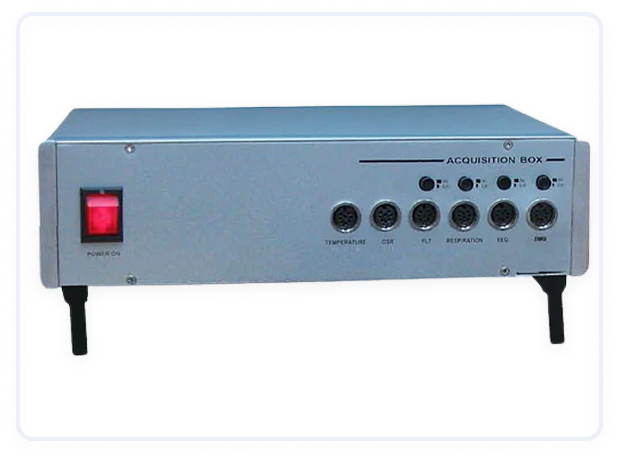
Pure Tone Audio meter
A Pure Tone Audiometer is a specialized device used in audiology to assess an individual's hearing ability by testing their sensitivity to pure tones (single frequency sounds) at different pitches and volumes. It is one of the most common tools used for diagnosing hearing loss.
Key Features of a Pure Tone Audiometer
Frequency Range:
A typical pure tone audiometer tests hearing across a wide range of frequencies, typically from 250 Hz to 8000 Hz. These frequencies are crucial for assessing the full range of human speech and environmental sounds.
Some advanced models can test up to 12,000 Hz or even higher, which is particularly useful for high-frequency hearing loss diagnosis.
Different Tone Types:
The audiometer generates pure tones, usually in the form of air-conduction and bone-conduction sounds.
Air-conduction tones are transmitted through the air and tested via headphones.
Bone-conduction tones are sent through the bone behind the ear using a vibrator that directly stimulates the inner ear.
Both types of testing help identify whether hearing loss is conductive (problem with the outer or middle ear) or sensorineural (damage to the inner ear or auditory nerve).
Adjustable Volume and Intensity:
The audiometer allows the tester to adjust the intensity of the tones (usually measured in decibels (dB)) and the duration of the tones. This helps in determining the softest sound a person can hear at each frequency.
The threshold of hearing is measured at various frequencies, and this data is used to create an audiogram (a visual representation of hearing ability).
Calibration and Accuracy:
A reliable calibration system ensures that the audiometer is providing accurate readings. Regular calibration is necessary to guarantee precision and maintain the quality of the hearing tests.
Calibration standards are set by regulatory organizations like the American National Standards Institute (ANSI) and World Health Organization (WHO).
User Interface:
Modern pure tone audiometers have user-friendly interfaces with digital displays and touchscreen controls for easy operation. Older models might have analog dials or buttons to control settings.
The system can provide visual feedback, such as a visual audiogram display on a computer screen, for immediate interpretation of test results.
Automatic vs. Manual Testing:
Manual pure tone audiometers allow the audiologist to control the test, presenting tones at specific intervals and adjusting the volume as necessary.
Automatic audiometers can provide standardized tests where the patient responds to tones, and the system adjusts automatically based on the patient's responses.
Masking Capability:
When testing for unilateral hearing loss (hearing loss in only one ear), masking may be required. This ensures the sound delivered to the non-test ear doesn’t influence the results. The audiometer can generate masking noise (usually white or pink noise) to ensure accurate results.
Applications of a Pure Tone Audiometer
Request More Information
Contact Us to learn more about our offerings or Request a Quote to get started today!
Contact Us

