
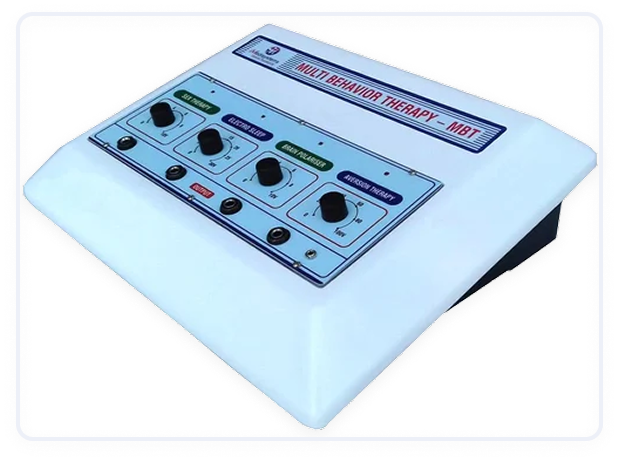
MBT-Multi Behaviour Therapy
MBT (Multi-Behavior Therapy) is a type of therapeutic approach that is designed to address a variety of psychological conditions and behavioral issues by integrating multiple therapeutic techniques. It’s a multidisciplinary approach that aims to treat patients by considering various behaviors, emotions, and thought patterns and using diverse strategies to target these issues effectively.
Key Features of Multi-Behavior Therapy
Integration of Multiple Therapies:
MBT incorporates elements from several established therapeutic models (like Cognitive Behavioral Therapy (CBT), Dialectical Behavioral Therapy (DBT), Acceptance and Commitment Therapy (ACT), and others). This integrated approach helps tailor the treatment based on the patient's unique needs and circumstances.
The therapy aims to address a wide range of issues simultaneously, including anxiety, depression, anger management, substance abuse, self-esteem issues, eating disorders, and more.
Focus on Behaviors, Thoughts, and Emotions:
MBT focuses on understanding and altering maladaptive behaviors, negative thought patterns, and emotional responses that contribute to psychological distress.
By addressing both cognitive (thoughts) and behavioral aspects of mental health, MBT aims for a more holistic treatment, which can be more effective for individuals with complex conditions.
Customized Treatment Plans:
Since MBT incorporates various therapeutic techniques, the treatment is highly individualized. This means therapists can adapt the methods and interventions based on the patient’s specific needs, preferences, and treatment goals.
Different patients may require different approaches, so MBT provides flexibility in choosing appropriate interventions.
Skill Building and Coping Strategies:
MBT often focuses on helping patients develop essential coping skills to manage daily challenges and stress. This might include mindfulness, problem-solving, emotion regulation, and interpersonal skills.
The therapy helps individuals better manage their behaviors and improve emotional and psychological well-being over time.
Applications of Multi-Behavior Therapy (MBT)
Mental Health Disorders:
MBT can be particularly beneficial for individuals suffering from complex conditions, such as borderline personality disorder (BPD), generalized anxiety disorder (GAD), depression, mood disorders, and post-traumatic stress disorder (PTSD).
By combining techniques from different therapeutic approaches, MBT is able to address multiple symptoms and challenges simultaneously.
Behavioral Issues:
MBT is often used for individuals dealing with maladaptive behaviors, such as addiction, eating disorders, or anger management problems.
The therapy helps modify problematic behaviors while also addressing the underlying psychological factors contributing to these behaviors.
Improving Relationships and Social Skills:
Since MBT integrates approaches that focus on interpersonal relationships, it can be particularly helpful in treating patients with relationship issues or those struggling with communication or social skills.
It is used in therapy for couples, families, or individuals seeking to improve their social interactions and relational dynamics.
Stress Management and Personal Development:
MBT can also be used for stress management, self-esteem enhancement, and personal development. It teaches individuals how to handle difficult situations, negative thoughts, and emotions with resilience and positivity.
Applications of Multi-Behavior Therapy (MBT)
Mental Health Disorders:
MBT can be particularly beneficial for individuals suffering from complex conditions, such as borderline personality disorder (BPD), generalized anxiety disorder (GAD), depression, mood disorders, and post-traumatic stress disorder (PTSD).
By combining techniques from different therapeutic approaches, MBT is able to address multiple symptoms and challenges simultaneously.
Behavioral Issues:
MBT is often used for individuals dealing with maladaptive behaviors, such as addiction, eating disorders, or anger management problems.
The therapy helps modify problematic behaviors while also addressing the underlying psychological factors contributing to these behaviors.
Improving Relationships and Social Skills:
Since MBT integrates approaches that focus on interpersonal relationships, it can be particularly helpful in treating patients with relationship issues or those struggling with communication or social skills.
It is used in therapy for couples, families, or individuals seeking to improve their social interactions and relational dynamics.
Stress Management and Personal Development:
MBT can also be used for stress management, self-esteem enhancement, and personal development. It teaches individuals how to handle difficult situations, negative thoughts, and emotions with resilience and positivity.
Various industries
Request More Information
Contact Us to learn more about our offerings or Request a Quote to get started today!
Contact Us

