
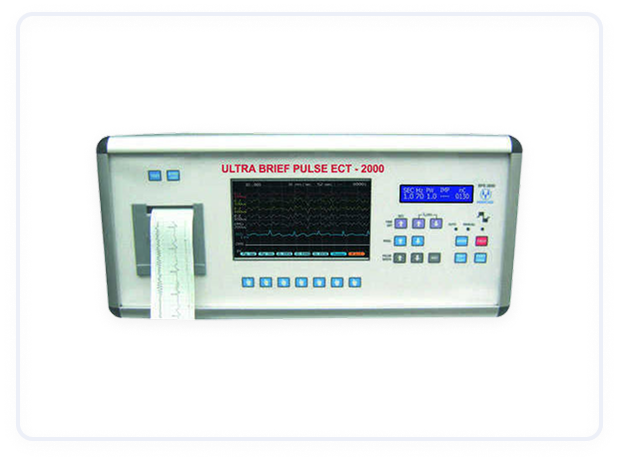
ECT (Electro convulsive Therapy) Machine
ENT Workstation is a specialized, all-in-one system used by Ear, Nose, and Throat (ENT) specialists to perform a wide range of diagnostic and therapeutic procedures. It integrates various tools and devices required for ENT examinations, including visual diagnostics, audio testing, and more. These workstations are essential in ENT clinics, hospitals, and specialized centers to provide comprehensive care in a single, streamlined platform.
key features of an ENT Workstation
Integrated Diagnostic Tools:
An ENT workstation combines multiple diagnostic tools in one unit, such as otoscopes, endoscopes, audiometers, and nasal endoscopes. This allows for efficient examination and assessment of the ear, nose, and throat in a single setup.
These tools are integrated to allow seamless switching between different diagnostic modalities during patient assessment.
High-Resolution Imaging and Display:
ENT workstations come with high-resolution displays and cameras that provide clear, magnified images for examinations of the ear canal, nasal passages, and throat.
This is especially important in surgeries or diagnostics requiring fine detail, such as endoscopic sinus procedures or middle ear surgeries.
Otoscope and Nasal Endoscope Integration:
Most modern ENT workstations include an otoscope for ear exams and nasal endoscopes for visualizing the nasal cavity and sinuses. These tools help detect infections, blockages, polyps, and other abnormalities.
The integration allows real-time imaging and recording for further analysis or patient education.
Audiometric Testing:
The workstation can include audiometry functions to perform hearing tests (pure tone, speech, or impedance audiometry). These tests help diagnose hearing loss, tinnitus, or other auditory conditions.
Audiometers are often included to assess the conductive and sensorineural pathways of hearing and track any hearing impairments in patients.
Patient Data Management and Electronic Records:
Many ENT workstations come with built-in software for patient data management. This allows for easy storage, retrieval, and sharing of patient records, test results, and imaging.
Integration with Electronic Medical Record (EMR) systems helps to maintain and track the patient’s medical history and treatment progress.
Ergonomic Design:
These workstations are designed for comfort and efficiency, ensuring that the healthcare provider can operate the system for extended periods without fatigue.
Adjustable arms, mounts, and tables are included to position the diagnostic tools comfortably for both patient and clinician.
Compact and Mobile Options:
Some ENT workstations come in mobile configurations with wheeled bases for easy movement within the clinic or hospital. This makes it easier to transport the system between rooms or facilities.
Compact designs ensure that the workstation fits in smaller spaces while still offering full functionality.
Various industries
Request More Information
Contact Us to learn more about our offerings or Request a Quote to get started today!
Contact Us

