
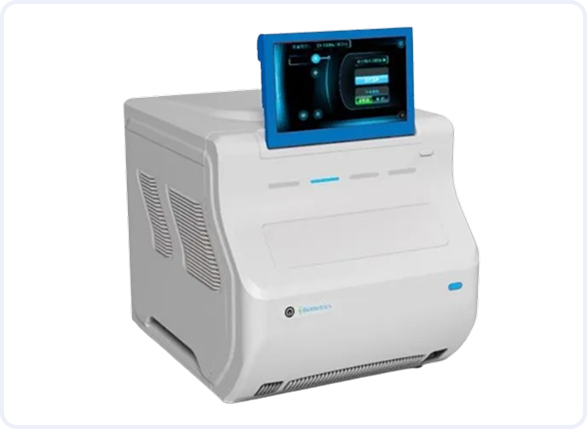
RTPCR Machine
An RT-PCR (Reverse Transcription Polymerase Chain Reaction) Machine is a laboratory instrument used for analyzing RNA by converting it into complementary DNA (cDNA) and amplifying it for detection and analysis. RT-PCR is widely used in molecular biology and clinical diagnostics to detect and quantify specific RNA sequences, including viruses, bacteria, and gene expression. It plays a crucial role in diagnosing viral infections such as COVID-19, identifying genetic disorders, and conducting research in genomics.
Key Features of RT-PCR Machine
Reverse Transcription Process : RT-PCR involves two main processes: the reverse transcription of RNA into cDNA and the amplification of cDNA through PCR. The machine provides precise temperature control to facilitate these steps.
High Sensitivity and Accuracy : RT-PCR machines offer high sensitivity and accuracy in detecting even trace amounts of RNA, making it ideal for detecting low viral loads, rare genetic mutations, or subtle gene expression changes.
Multiplexing Capability : Many RT-PCR machines allow multiplexing, which means testing for multiple targets (e.g., different viruses or genes) in a single reaction. This is especially useful for detecting multiple pathogens or variants at once.
Real-Time Monitoring (qRT-PCR) : Some RT-PCR machines are equipped with real-time PCR capabilities (qRT-PCR), enabling continuous monitoring of the amplification process. This provides quantitative data on RNA levels and allows precise quantification.
Automated Sample Handling : Modern RT-PCR machines often include automated features for sample preparation, pipetting, and plate loading, reducing human error and increasing throughput.
Temperature Control : The machine has multiple temperature cycles (denaturation, annealing, and extension) to ensure efficient transcription and amplification of RNA. Precise temperature control is critical for the accuracy of RT-PCR tests.
User-Friendly Interface : Most machines come with intuitive touchscreens or software for easy operation and data analysis, allowing both novice and experienced users to perform complex experiments.
Data Analysis Software : RT-PCR machines typically come with sophisticated software that assists in analyzing amplification curves, generating quantitative data, and interpreting results efficiently.
Compact Design : Newer models of RT-PCR machines are designed to be compact, making them suitable for use in both large diagnostic labs and smaller research facilities with limited space.
Multi-Platform Compatibility : Many RT-PCR machines are compatible with a wide range of consumables and reagents, enhancing flexibility in performing different types of assays.
Various industries
Request More Information
Contact Us to learn more about our offerings or Request a Quote to get started today!
Contact Us

