
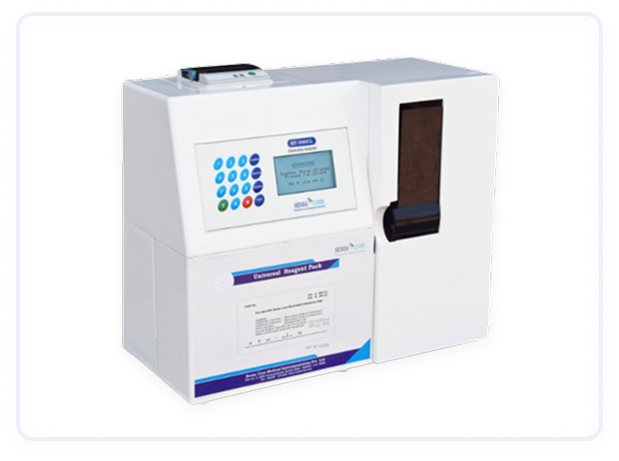
Electrolyte Analyzer
An Electrolyte Analyzer is a medical device used to measure the concentration of electrolytes in blood, urine, or other bodily fluids. Electrolytes are essential minerals that carry an electric charge and play a vital role in maintaining the body’s fluid balance, nerve function, muscle function, and pH levels. The key electrolytes measured include sodium (Na⁺), potassium (K⁺), chloride (Cl⁻), calcium (Ca²⁺), magnesium (Mg²⁺), and bicarbonate (HCO₃⁻). These analyzers are used in clinical laboratories, hospitals, and medical facilities to help diagnose and monitor various health conditions.
Key Features of an Electrolyte Analyzer
Precise Measurement of Electrolytes:
The analyzer provides accurate and precise measurements of key electrolytes like sodium, potassium, chloride, calcium, and magnesium. These measurements are critical for diagnosing and managing diseases like kidney disorders, dehydration, heart conditions, and metabolic imbalances.
Fast Results:
Electrolyte analyzers offer rapid results, typically within minutes, enabling healthcare providers to make quick decisions, especially in critical care or emergency settings.
Compact and User-Friendly:
Modern electrolyte analyzers are designed to be compact and easy to operate. Many devices have user-friendly interfaces with digital screens, making them accessible for use by clinicians with minimal training.
Multisample Capability:
Some electrolyte analyzers are capable of analyzing multiple samples at once, which is particularly useful in high-throughput environments like emergency departments or intensive care units.
Automatic Calibration:
Electrolyte analyzers typically come with automatic calibration features to ensure accuracy and reliability over time. This feature reduces the need for manual calibration, saving time and effort.
Integrated Data Management:
Many electrolyte analyzers integrate with hospital information systems (HIS) and electronic health records (EHR), allowing for seamless transfer and storage of test results, enhancing patient care and ensuring data consistency.
Multi-Parameter Measurement:
Some advanced electrolyte analyzers also measure additional parameters such as anion gap, pH, and gases (e.g., CO₂), providing a comprehensive view of a patient's metabolic and respiratory status.
Various industries
Request More Information
Contact Us to learn more about our offerings or Request a Quote to get started today!
Contact Us

