
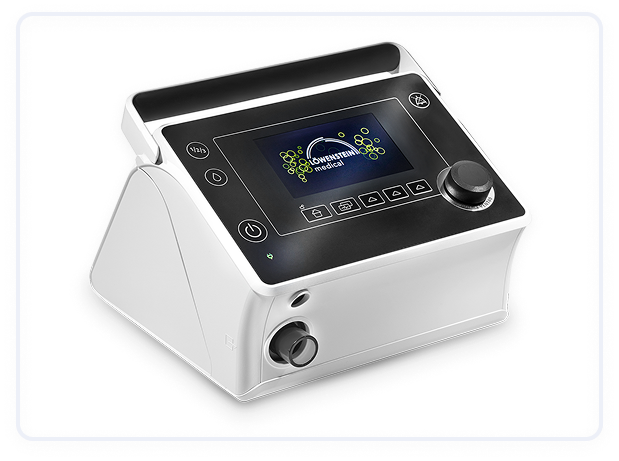
Ventilator
A ventilator is a medical device used to help patients who are unable to breathe adequately on their own or who require assistance in breathing. It is primarily used in critical care settings to provide mechanical ventilation, meaning it assists or completely takes over the process of breathing for a patient. Ventilators are used in cases of severe respiratory failure, such as in acute respiratory distress syndrome (ARDS), chronic obstructive pulmonary disease (COPD), pneumonia, severe asthma, and during anesthesia for surgeries.
Types of Defibrillators
Automated External Defibrillator (AED)
Manual Defibrillator
Implantable Cardioverter-Defibrillator (ICD)
Transcutaneous Defibrillator
Key features of Defibrillator
Shock Delivery : Can deliver shocks in various energy levels, depending on the device and situation.
User-Friendly Interfaces : AEDs typically feature visual and audio prompts to guide users through the defibrillation process.
Safety Features : Many modern devices ensure the safety of the operator and patient by preventing shocks when not necessary
Key features of Defibrillator
Shock Delivery : Can deliver shocks in various energy levels, depending on the device and situation.
User-Friendly Interfaces : AEDs typically feature visual and audio prompts to guide users through the defibrillation process.
Safety Features : Many modern devices ensure the safety of the operator and patient by preventing shocks when not necessary
Various industries
Request More Information
Contact Us to learn more about our offerings or Request a Quote to get started today!
Contact Us

