
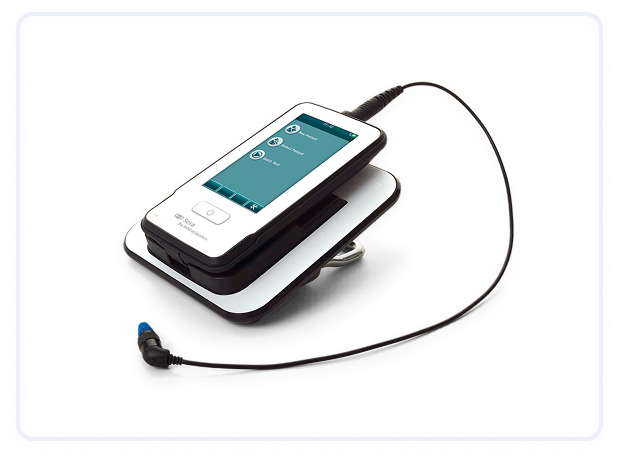
ABR Screener
ABR (Auditory Brainstem Response) Screener is a diagnostic tool used to assess the functionality of the auditory nerve and the brainstem pathways involved in hearing. The ABR test measures the electrical activity in the brainstem in response to auditory stimuli, providing insights into the integrity of the auditory pathway from the ear to the brain. It is commonly used for newborn hearing screening, diagnosis of hearing loss, and evaluating nerve function.
Key Features of an ABR Screener
Objective Hearing Test:
Non-invasive and objective, as it doesn’t require patient responses, making it ideal for testing infants, young children, or individuals unable to participate in behavioral hearing tests.
Assessment of Auditory Nerve Function:
Measures the electrical signals generated in the auditory pathway, from the ear to the brainstem, in response to sound. This helps determine if the auditory nerve and brainstem pathways are functioning properly.
Newborn and Infant Hearing Screening:
Widely used in newborn hearing screening programs to detect congenital hearing loss early. Early identification of hearing impairments ensures early intervention, which is critical for language and speech development.
Quick and Painless Procedure:
Non-invasive and painless: Electrodes are placed on the scalp and behind the ears, and the patient can remain still during testing. No need for sedation.
Simple Pass/Refer Results:
Most ABR screeners offer a pass/refer result. A pass means that the auditory pathway is functioning normally, while a refer result indicates that further evaluation or follow-up testing is needed.
Portable and User-Friendly:
Portable models are available, allowing ABR testing to be done in mobile clinics, neonatal units, or remote areas.
Data Storage and Connectivity:
Many devices allow the storage of test results for future reference, tracking patient progress, and integrating with Electronic Health Records (EHR) for comprehensive patient care management.
Sensitive to Mild Hearing Loss:
ABR screening can detect even mild hearing loss, which may not be apparent through behavioral tests, especially in the early stages.
Various industries
Request More Information
Contact Us to learn more about our offerings or Request a Quote to get started today!
Contact Us

