
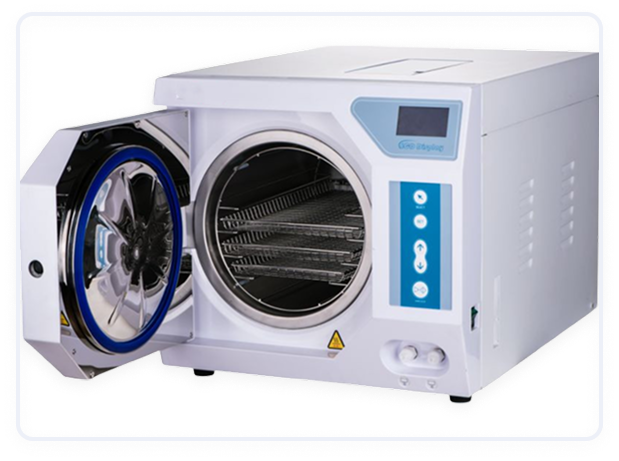
Portable Impedance Audio meter
A Portable Impedance Audiometer is a specialized diagnostic tool used in audiology to measure the impedance of the middle ear and assess the functioning of the tympanic membrane (eardrum), ossicles (small bones in the ear), and Eustachian tube. It helps in evaluating the health and function of the middle ear and is particularly useful in diagnosing conditions such as ear infections, fluid in the ear, and Eustachian tube dysfunction. The impedance audiometer measures how the ear responds to sound pressure, specifically the resistance (impedance) to sound waves as they pass through the middle ear. This is done by introducing a sound into the ear canal and measuring how much sound is reflected back. Changes in the reflection indicate issues with the middle ear.
Key Features of a Portable Impedance Audiometer
Portable and Lightweight Design:
The primary feature of a portable impedance audiometer is its compact and lightweight design, making it easy to carry and use in different settings like clinics, hospitals, or mobile health units.
Its portability allows healthcare professionals to perform impedance testing in various environments, especially in areas with limited access to permanent audiology equipment.
Middle Ear Function Testing:
The audiometer is designed to assess the impedance of the middle ear, which includes testing for conditions like otosclerosis, eustachian tube dysfunction, middle ear effusion, and other ear disorders.
It measures tympanometry, which evaluates the flexibility of the eardrum and how well sound is transmitted through the middle ear, providing insight into the health of the eardrum and related structures.
Tympanogram Display:
The device generates a tympanogram, a graphical representation of the middle ear’s response to sound pressure. This helps the audiologist interpret the pressure levels in the middle ear and the ear canal volume.
Wide Range of Frequency Testing:
Portable impedance audiometers typically offer a range of test frequencies to evaluate middle ear function across different sound pitches, helping diagnose a variety of hearing issues, especially in patients with varying levels of hearing loss.
It can test for both low and high-frequency responses, which is essential for comprehensive hearing assessments.
Quick and Easy Operation:
These devices are designed for ease of use. They typically feature user-friendly interfaces and touchscreen displays that allow audiologists to perform tests efficiently, with clear instructions and results.
Impedance and Reflex Measurements:
The device measures acoustic reflexes, which test the reflex of the middle ear muscles in response to sound. This helps in detecting abnormal reflexes, which may indicate issues with the auditory pathway or brainstem.
Battery-Powered:
Most portable impedance audiometers are battery-operated, making them ideal for use in locations without easy access to power outlets or in field settings like schools, rural clinics, or emergency situations.
Some models also have long battery life and efficient power management systems to ensure they are always ready for use.
Data Storage and Connectivity:
Modern portable impedance audiometers have the capability to store test results and provide data transfer options, allowing for seamless integration into electronic medical records (EMR) or patient management systems.
Some models feature Bluetooth or USB connectivity, enabling the easy transfer of data to computers or other devices for further analysis or patient documentation.
Applications of a Pure Tone Audiometer
Request More Information
Contact Us to learn more about our offerings or Request a Quote to get started today!
Contact Us

